
The Right Commercial Floor
Starts With the Right Material
See What Holds Up in Your Building
Not all commercial flooring materials perform the same way in a government facility. We help you weigh durability, cost, and maintenance against how your space actually gets used, so you're not replacing the same floor again in five years.
Professional-Grade Materials for Every Facility
Built for the Floors Government Facilities Actually Need
Every material we install, carpet tile, broadloom carpet, luxury vinyl tile, and rubber stair treads, was selected because it holds up in the environments our clients actually manage. Government facilities, public libraries, and schools have different demands than a retail space or office lobby, and the products we source reflect that. Browse the materials below to see what fits your project, or reach out if you'd like a recommendation before you decide.

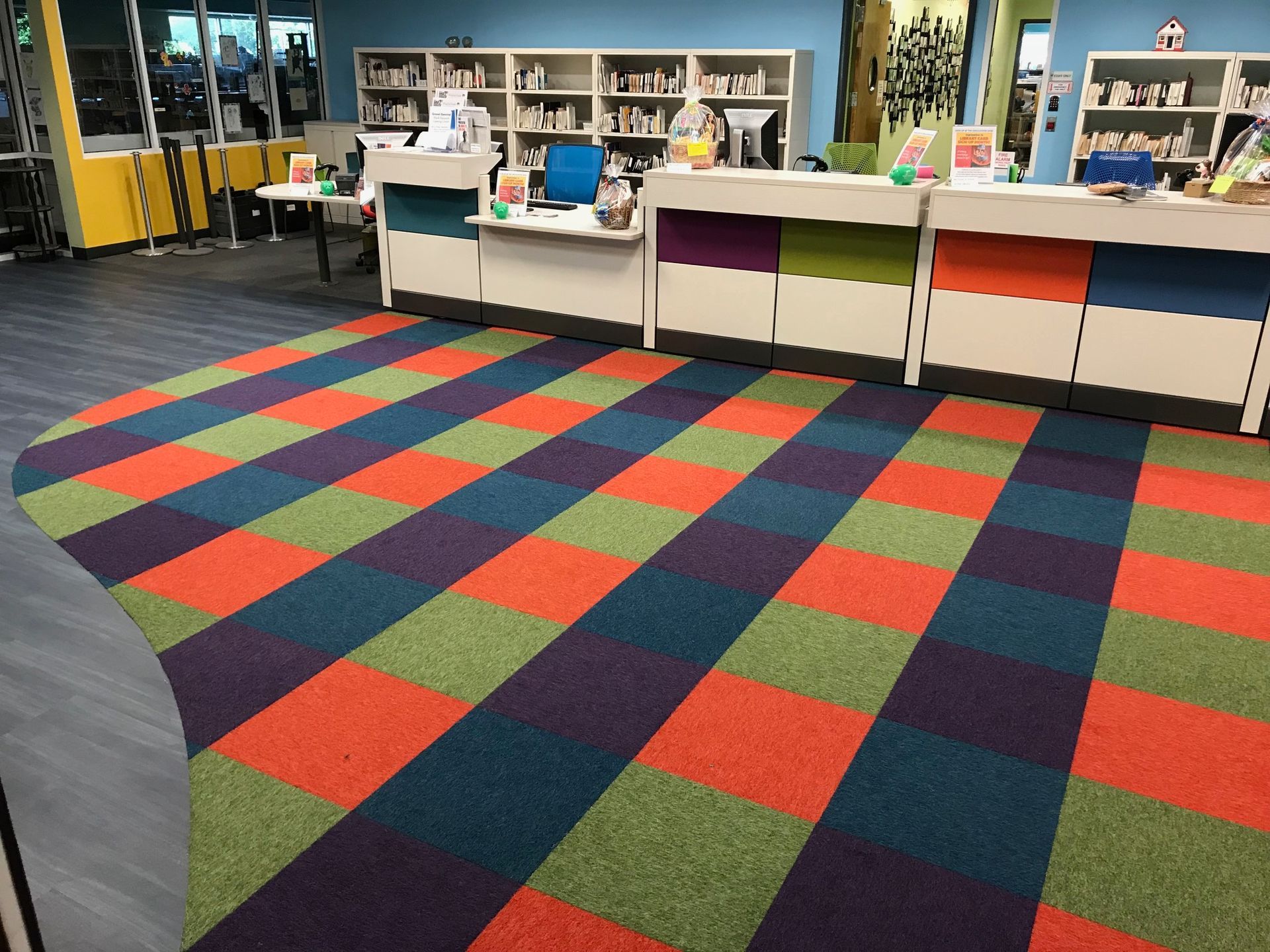
Commercial Carpet Tile
Heavy-duty commercial carpet tiles are built for the kind of daily use that wears out lesser floors fast. Offices, corridors, libraries and open-plan facilities stay looking sharp longer, and individual tiles can be swapped out without a full replacement when wear shows up.

Commercial Broadloom Carpet
When your space calls for something more refined, commercial broadloom carpet delivers a consistent, finished look across large areas. It's the material of choice for council chambers, reception areas, and conference rooms where first impressions count.
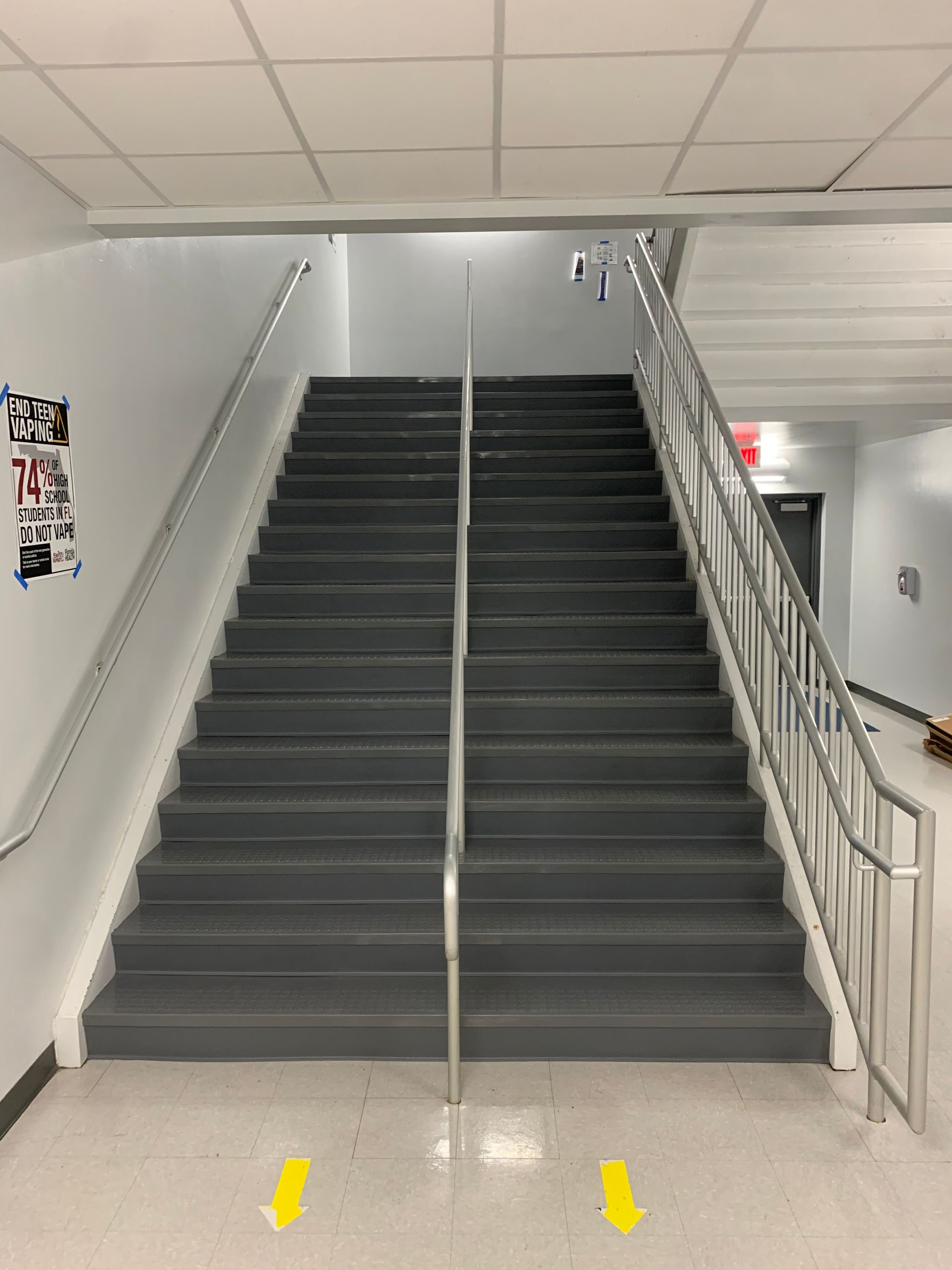
Commercial Rubber Stair Treads
Rubber stair treads are the safety standard for multi-story institutional buildings. Schools, municipal offices, and government facilities rely on them for slip resistance, long-term durability under constant foot traffic, and compliance with commercial building safety requirements.
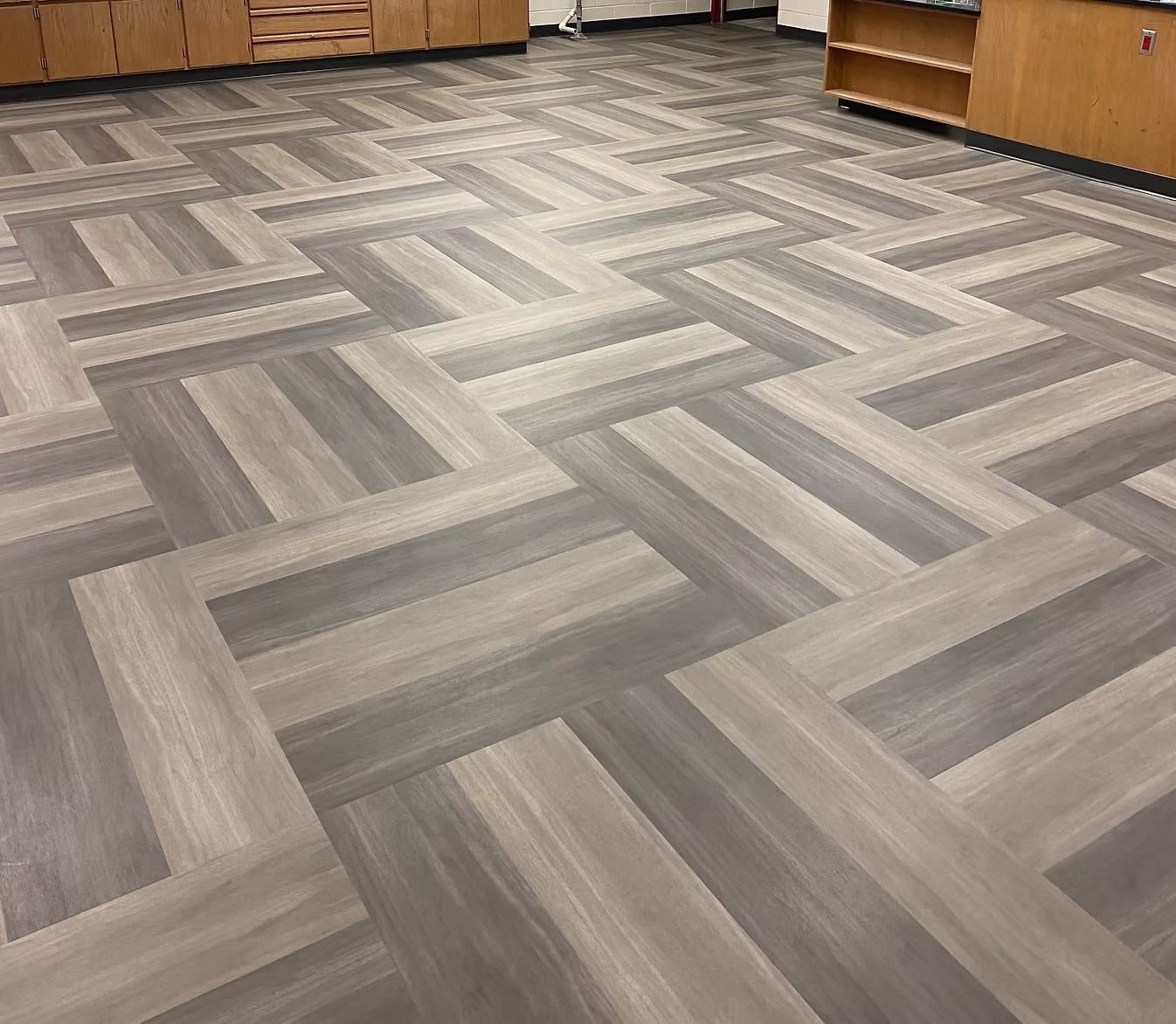
Commercial LVT Flooring
Commercial LVT flooring gives institutional spaces the look of wood or stone without the upkeep those materials demand. It's a practical, high-performance choice for schools, civic buildings, and healthcare facilities that need a professional aesthetic and a floor that can take daily punishment without showing it.
Frequently Asked Questions
Everything You Need To Know Before Your Project Gets Started
What types of facilities do you handle commercial flooring installation for?
Most commercial flooring in government and institutional facilities lasts 10 to 12 years under normal use. The right material choice from the start, matched to your traffic levels and environment, is what gets you to that full lifespan without premature replacement.
What is the best commercial flooring material for government buildings?
There is no single answer -- it depends on the space. Carpet tile is the most common choice for open areas and corridors, LVT performs well where moisture and heavy surface use are a concern, and rubber stair treads are the standard for multi-story buildings. We help you match the right material to each area of your facility before anything gets scheduled.
How much does commercial LVT flooring cost compared to carpet tile?
Commercial LVT flooring typically runs higher upfront than carpet tile, but the lower maintenance cost over time often offsets that difference. We build out detailed estimates for both so you can compare real numbers before committing to a material
Can different flooring materials be installed in the same facility?
Yes, and it's common in institutional settings. Libraries and schools frequently use carpet tile in open areas and LVT or rubber treads in entryways, corridors, and stairwells where moisture and heavy traffic are a bigger concern.
How far in advance should we start planning a commercial flooring project?
Ideally 12 to 18 months before your project starts. Government facilities run on long budget cycles, and locking in your material selection early means your estimates are accurate when you bring them to a city council or county commission meeting.
Need Help Deciding What's Right for Your Facility?
Tell us about your space and we'll help you make the right call before anything gets scheduled or committed to.